
ahead of the Tokyo premiere of her short film “Whim Rules the Child, and Weather the Field”
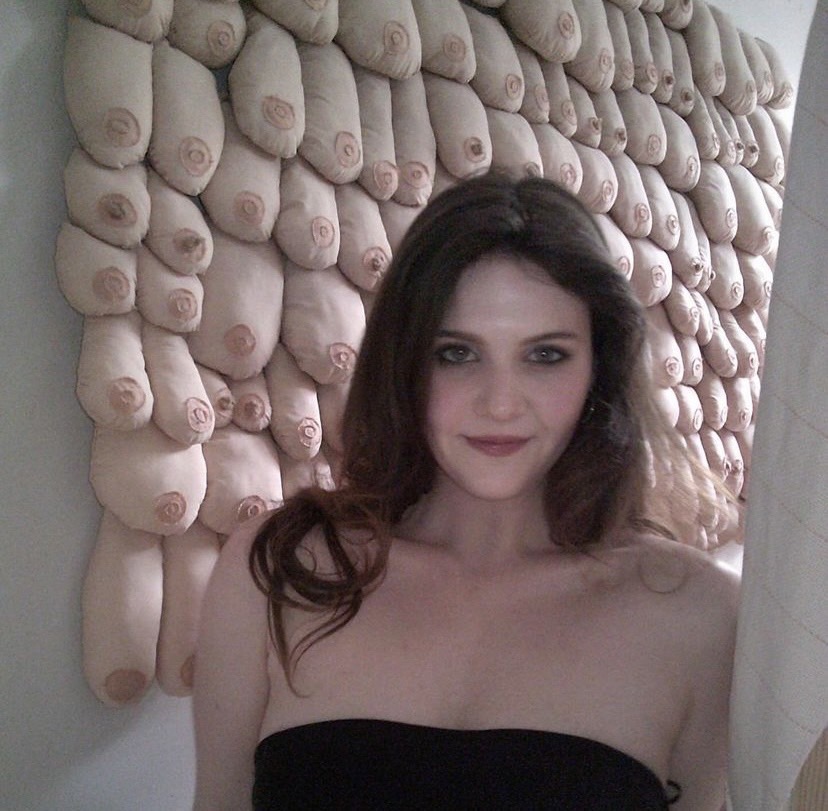

With her short film; “Whim Rules the Child, and Weather the Field” selected to be a part of the prestigious, oscar-qualifying Short Shorts Film Festival in Tokyo this summer, Katla Solnes; a nyc-based Icelandic film director and writer sat down with Burning Magazine for a discussion on the film, the rich creativity of Icelandic culture, her tender experiences with Tokyo, and her unique upbringing.
Katla Solnes’s artistic perspective is nostalgic and ethereal, “Whim Rules the Child, and Weather the Field” transports the viewer to a cozy rustic cottage by the shore. The imagery of her film is poignant; evoking Hayao Miyazaki, and leaves a lasting impact referencing existential issues facing humanity, and how we cope with them in our own small ways.
ニューヨークを拠点に活動するアイスランド人映画監督兼ライターのカトラ・ソルネスが、バーニング誌のインタビューに応じ、本作、アイスランド文化の豊かな創造性、東京での優しい経験、そして彼女のユニークな生い立ちについて語った。
カトラ・ソルネスの芸術的視点は独特で幽玄であり、ノスタルジアに浸りながら、観る者を海岸沿いの居心地の良い素朴なコテージへと誘う。彼女の映画のイメージは、宮崎駿を思わせる痛烈なもので、人類が直面する実存的な問題や、私たちがそれぞれのささやかな方法でそれらにどのように対処しているのかを言及し、永続的なインパクトを残す。
(Artist photo: Katla Solnes)
The film’s introduction alludes to the impacts of climate change- what is the significance of this imagery for the story?
With rising sea levels and ocean acidification becoming ever more prominent – The dawning of a new and forever changed reality is settling into the heart of Icelanders. Already, the erratic peaks and valleys of changing weather and the ever-more present storms qualified as ‘’Red Weather Warnings’’ to us locals has shown us the concrete effects of climate change. This film is a poetic and quiet meditation on this rapidly occurring change and is done through the eyes of the spry septuagenarian, Hera, who’s not so ready to leave her home behind – Weather and sea be damned! I wanted to imagine a near future where these environmental calamities are coming to a head with the people who live by the seaside, and try to discover through Hera whether we humans can really accept change. As such, I wanted the ocean to be prominent in almost every shot of the film, and when we can’t see it – we can hear it. The waves crash against every single shot and sound of the film, an ever-present reminder of the concrete effects of climate change.
映画の冒頭で気候変動の影響が暗示されていますが、このイメージは物語にとってどのような意味を持つのでしょうか?
海面上昇と海洋酸性化がますます顕著になるなか、アイスランド人の心には、永遠に変化する新たな現実の夜明けが訪れている。すでに、不規則に変化する天候の山と谷、そして私たち地元住民にとって”赤色気象警報”として認定される、かつてないほどの暴風雨は、気候変動の具体的な影響を私たちに示している。この映画は、この急速に起こりつつある変化に対する詩的で静かな瞑想であり、天候や海がどうであれ、故郷を後にする準備ができていない元気な70代のヘラの目を通して描かれている!私は、このような環境災難が海辺に住む人々とともに頭をもたげてくる近未来を想像し、私たち人間が本当に変化を受け入れることができるのか、ヘラを通して見極めたいと思った。そのため、映画のほとんどすべてのショットに海を登場させ、海が見えないときには海が聞こえるようにしたかった。波が映画のすべてのショットと音にぶつかり、気候変動の具体的な影響を常に思い起こさせる。
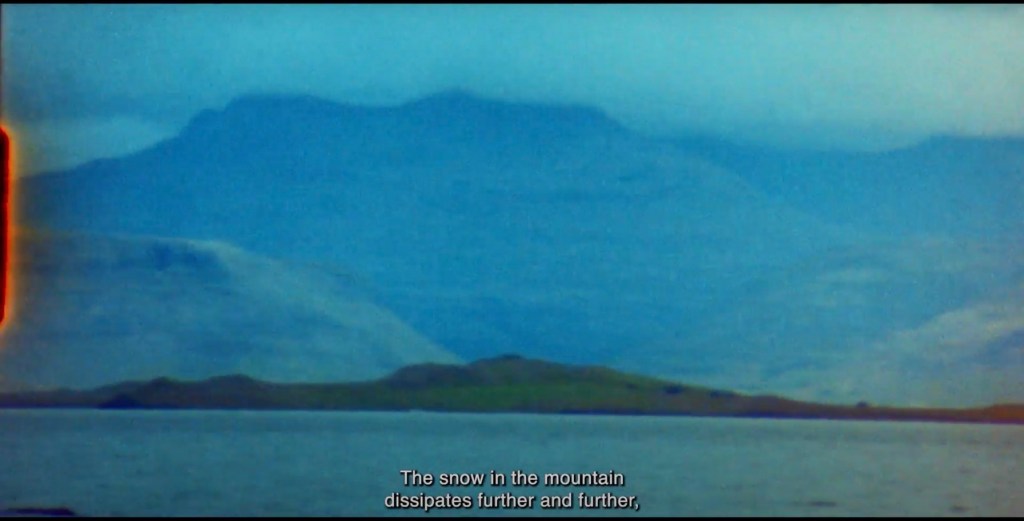
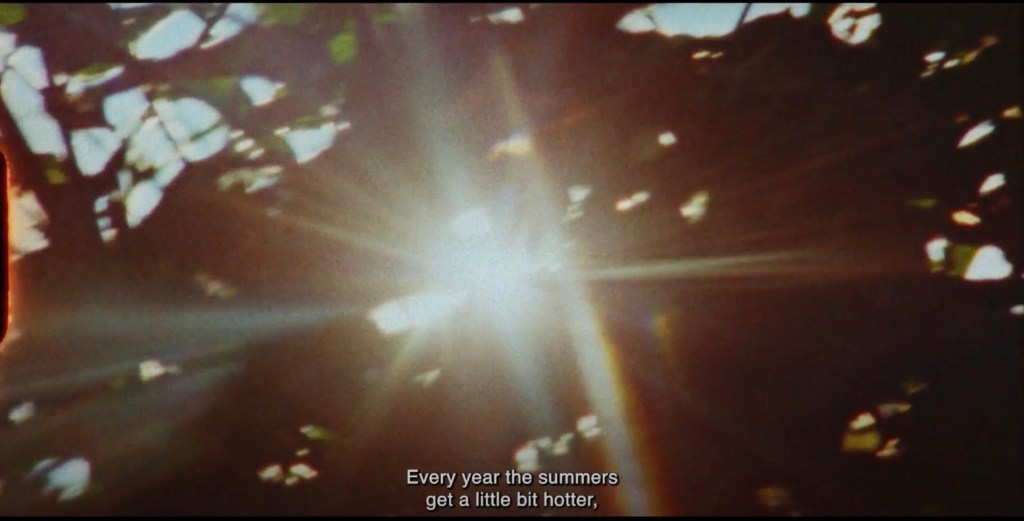
(Stills from the film)
What were some of your influences for this film?
My strongest influence as mentioned before was climate-anxiety and its effect on the Icelandic nature — this textured, tender and whimsical film was written as a love letter to the encroaching sea of the Icelandic shore. In terms of concrete creative influences, it’s very appropriate that the film is premiering in Japan because I really wanted to evoke the capriciousness of Miyazaki and his understated reserve but in a distinctly Icelandic setting — Watching Nausicaa of the Valley of the Wind as a teenager made me want to become an environmental engineer so to have an impact on the environment (if you’ve seen the film, you will understand why.) Unfortunately, I was never much of an engineer (I studied it in The Netherlands for undergrad) but through this film, I’ve at least been able to try to have a tiny impact — And I will continue to try my best!
この映画に影響を与えたものは何ですか?
前述したように、私が最も強く影響を受けたのは、気候不安とそれがアイスランドの自然に与える影響です。この質感のある、優しくて気まぐれな映画は、アイスランドの海岸に押し寄せる海へのラブレターとして書かれました。10代の頃に『風の谷のナウシカ』を見て、環境に影響を与える環境エンジニアになりたいと思ったからです。 残念ながら、私はエンジニアには向いていませんでしたが(学部ではオランダで勉強しました)、この映画を通して、少なくとも小さな影響を与えようと努力することができました!
The film’s language and culture are Icelandic, is there a specific approach you took in writing the script to make the translation smooth for international audiences?
The writing of the script was very bilingual, because the cinematographer and co-producer of the film Irene Gomez-Emilsson was involved in the project from its inception and therefore I would oscillate between writing drafts in English and Icelandic. I further strengthened the script by bringing it into classes at my University (Columbia) where I currently am finishing my Graduate Degree in Direction & Screenwriting and therefore I was always almost more tethered to the film in its English version. However, thus far all my films have been in Icelandic and it tends to be one of my favorite parts of the process to, near the end, translate everything I’ve workshopped with peers, teachers and fellow-students into the more lyrical Icelandic. It gives me a new connection to the material and tends to breathe life into the words. Especially when I then go over the scripts with my actors, who often have suggestions for wordings as such — Listening to your actors is one of the best ways to strengthen a script, I’ve found.
この映画の言語と文化はアイスランド語ですが、国際的な観客のためにスムーズに翻訳するために、脚本を書く際に取った特別なアプローチはありますか?
撮影監督兼共同プロデューサーのイレーネ・ゴメス=エミルソンがプロジェクトの立ち上げから参加していたため、脚本は英語とアイスランド語の両方で執筆しました。現在、演出・脚本専攻の大学院を修了している大学(コロンビア大学)の授業に脚本を持ち込み、さらに脚本を強化しました。しかし、これまでのところ、私の映画はすべてアイスランド語であり、最後のほうで、仲間や先生、学生仲間とワークショップをしたものをすべて、より叙情的なアイスランド語に翻訳するのは、私の好きなプロセスのひとつです。そうすることで、素材との新たなつながりが生まれ、言葉に命が吹き込まれます。役者の意見を聞くことは、脚本を強化する最良の方法のひとつだと私は感じています。
Is there an influence of Icelandic culture in other creative choices for the film? Such as styling, art direction & music for example.
Us Icelanders are very creatively-driven people and always have been (we have a rich history of storytelling for thousands of years which has been beautifully preserved and we can even read our old ‘’sagas’’ since the language has changed so little) and therefore working with Icelandic creatives in the styling, art direction and music was as always a joy. I think we, as a people, tend to make bold yet sophisticated choices and everyone I know who’s involved in their art takes it incredibly seriously. I want to particularly highlight the composer, Sævar Jóhansson, is a complete genius and has such a gentle, unique flair to his piano work – He was a joy to work with and the film is nothing without its score. Our production designer, Auður Guðmundsdóttir, painted the entire kitchen in weathered turquoise and made the space feel both connected to the nature, lived in, and whimsical – She really made the stark, white and plain Airbnb look and feel like it was filled with history, memories and was water-soaked from the encroaching shore. My dear friend, Ástrós Steingrímsdóttir, did the costuming – and she has a preternatural affinity for combining interesting earthy colors and textures, reflecting the surroundings of the film and contrasting the cool colors with the bright yellow of Hera’s sweater. When you live in a country like Iceland, you can’t help but be saturated with the influence of our nature and it comes out through our work as creatives.
映画の他のクリエイティブな選択にアイスランドの文化の影響はありますか?例えば、スタイリング、アートディレクション、音楽など。
私たちアイスランド人はとてもクリエイティブ志向の強い国民で、昔からそうでした(アイスランドには何千年にもわたる豊かな物語の歴史があり、それが見事に保存されています。私たち国民は、大胆でありながら洗練された選択をする傾向があると思うし、私が知っている彼らのアートに携わっている人たちは皆、信じられないほど真剣に取り組んでいる。特に作曲家のセーヴァル・ヨハンソンに注目したい。彼は完全な天才で、彼のピアノ作品には穏やかでユニークなセンスがあります。プロダクション・デザイナーのAuður Guðmundsdóttirは、キッチン全体を風化したようなターコイズブルーで塗装し、自然とのつながりや生活感、そして気まぐれさを感じさせる空間に仕上げてくれました。私の親愛なる友人であるアストロス・ステイングルムスドッティルが衣装を担当した。彼女は、興味深いアースカラーとテクスチャーを組み合わせることに非常に長けており、映画の環境を反映し、ヘラのセーターの鮮やかな黄色とクールな色彩を対比させています。アイスランドのような国に住んでいると、自然の影響を受けずにはいられないのです。
How was it working with three generations of actors? / What was your experience casting a child for the character of Blær?
It was an interesting experience because everyone’s needs (both as people and as actors) were so different – But, it truly was such a joy to work with all three actors. Edda Björgvinsdóttir is a beloved iconoclast of Iceland and therefore it was truly an honor to work with her – She’s sharp as a whip, kind and a passionate environmentalist (she often scoffed at the nearby, polluting factories on the other side of the fjord that we had to frame out of the shots.) Jörundur Ragnarsson attended the same MFA as I did which gave us an instantaneous connection, as we spoke the same narrative and directorial language. He often gave incredibly thoughtful notes and had thought-provoking questions. I always felt I needed to be completely locked-in as it were as he was so focused, and engaged – It was one of the more wonderful experiences I’ve had as a director and I’m deeply grateful to him. Móeiður ‘’Móa’’ Ronja Davíðsdóttir who plays Blær was the most remarkable find. We advertised everywhere and anywhere seeking a child-actor (gender and age was unspecified, as I was searching for a particular feeling rather than a particular look) and more than a hundred children applied. I auditioned around ten or fifteen or so, and Móa was the first child I interviewed! I remember so viscerally thinking ‘’She’s the one!’’ but of course, I had to do my due diligence and meet all the kids (which itself was a joy, since I think children have such a heightened sense of story, whimsy, and fantasy and therefore talking about the script to the kids was fascinating.) Beyond her stellar line-readings, I was particularly impressed because Móa had always played the villain in her elementary school plays, and I thought – If such a sweet girl can pull off Maleficent, she must be something special! Móa has a very delicate look, but her spirit is so forceful – She is wise beyond her years and a true natural in front of the camera, and I hope to be able to work with her again in the future, but regardless I think she’ll be a great actress if she decides to follow this path.
3世代にわたる俳優との仕事はいかがでしたか? / ブレアのキャラクターに子供を起用した経験は?
でも、3人の俳優と一緒に仕事ができて本当に嬉しかった。エッダ・ビョルグヴィンスドッティルはアイスランドの象徴として愛され、それゆえ彼女と仕事ができたことは本当に光栄だった。彼女は鞭のように鋭く、親切で、情熱的な環境保護主義者だ(彼女はよく、フィヨルドの対岸にある近隣の汚染工場を嘲笑していた。) ヨルンドゥル・ラグナルソンは、私と同じ修士課程に在籍していたため、同じ物語言語や演出言語を話し、すぐに打ち解けることができた。彼はしばしば信じられないほど思慮深いメモをくれたり、示唆に富む質問をしてくれた. 彼はとても集中し、夢中になっていたので、私は常に完全にロックインする必要があると感じていた。それは私が監督として経験した素晴らしい経験のひとつであり、彼に深く感謝している。ブレア役のMóeiður”Móa”Ronja Davíðsdóttirは、最も驚くべき発見でした。子役を募集するため、あらゆるところに広告を出したところ(特定の容姿よりも特定のフィーリングを求めたため、性別や年齢は不問だった)、100人以上の子どもたちが応募してきた。私がオーディションを受けたのは10人か15人くらいで、モアは私が面接した最初の子だった!彼女だ!」と直感的に思ったのを覚えている。でももちろん、ちゃんと下調べをして、すべての子供たちに会わなければならなかった。(子供たちはストーリー、気まぐれさ、ファンタジーに対する感覚が高いと思うので、子供たちと台本について話すのはとても魅力的だった。) なぜなら、モアは小学校の劇でいつも悪役を演じていたからだ。こんなかわいい女の子がマレフィセントを演じられるなら、彼女は特別な存在に違いない!彼女は年齢以上に賢く、カメラの前では実に自然体だ。将来また一緒に仕事ができればと願っているが、いずれにせよ、彼女がこの道に進むと決めたなら、素晴らしい女優になると思う。
Staying in the countryside, or escaping to live in the big city; there is a conflict of thought between the grandmother and son- could these be reflections of possible conflicting feelings of your own- as someone who has moved frequently- most recently from quaint, nature-rich Reykjavik to Manhattan?
This is such an interesting observation, and reflecting on it – I think you’re definitely right. Even when writing stories that are far removed from oneself, the writer always leaves a mark on each word. I grew up in several countries, and therefore I understand Hera’s desire to stay put! Nothing is more sacred than having a home, it imbues you with a sense of safety and calm. But, looking beyond your pastures is a crucial part of discovering who you really are, and therefore I think Hera’s life might be enriched if she at least tried to go to the city. For me, I wobble between the many places that call my name. One day, I feel I’ve settled in New York, but sometimes I’ll scroll through TikTok and see a travel-blogger post Iceland’s moss-strewn volcanic lava, and I’ll feel melancholy bubbling through my chest. Now, as I venture towards Tokyo (where I stayed for four months at the age of 18) – I again feel a different country tugging on my heartstrings. Maybe, it’s easier if you have only known one place (like Hera in the film) and if that place has taken care of you and given you warm memories, who are we to say she should leave?

(Still from the film)
田舎に留まるか、大都会に逃げるか。祖母と息子の間には考え方の葛藤がある。これは、頻繁に引っ越しをしているあなた自身の葛藤を反映しているのではないでしょうか?
これはとても興味深い見解で、よく考えてみると、確かにその通りだと思う。自分とはかけ離れた物語を書くときでさえ、書き手は常に言葉のひとつひとつに痕跡を残すものです。私はいくつかの国で育ったので、ヘラがじっとしていたいと思う気持ちは理解できます!家があることほど神聖なことはない。しかし、牧草地の向こう側を見ることは、本当の自分を発見するための重要な要素です。私の場合、自分の名前を呼ぶ多くの場所の間をふらふらと歩いている。ある日、ニューヨークに落ち着いたと思ったら、TikTokをスクロールして旅ブロガーがアイスランドの苔むした火山溶岩を投稿しているのを見て、胸に憂鬱がこみ上げてくることがある。そして今、東京(18歳のときに4ヶ月間滞在した場所)に向かうと、また違う国が私の琴線に触れるのを感じる。もしかしたら、(映画のヘラのように)ひとつの場所しか知らない方が楽なのかもしれない。
After Tokyo- what is up next for you?
As I stated before, I love Tokyo and hope to connect with creatives here, as I’d love to return and collaborate whenever possible (my dream is to live in Tokyo for a few years, the four months were not long enough!) But, in the more direct future – I’m teaching filmmaking to high school students in New York for the summer and am most likely teaching for the next few months and staying near Columbia. During this time, I’m working on developing my feature — A similarly environmental and textured film about geologists in the 1970s in Iceland — And I hope for that to be my first feature film. But for now, my focus is screening ‘’Whim Rules the Child, Weather the Field’’ in more countries so that I can meet more creatives and filmmakers, as I think the company of inspiring and ambitious people is what enriches one’s life the most.
東京の次は?
前にも述べたように、私は東京が大好きで、可能な限り東京に戻ってコラボレーションしたいので、東京のクリエーターとつながることを願っています(私の夢は数年間東京に住むことです。) でも、もっと直接的な未来としては、夏の間ニューヨークで高校生に映画制作を教えていて、今後数ヶ月はコロンビア近郊に滞在して教えることになりそうです。この間、1970年代のアイスランドの地質学者を題材にした、同じような環境と質感を持つ長編映画の開発に取り組んでいます。でも今は、より多くの国で『気まぐれが子を支配し、野を耕す』を上映し、より多くのクリエーターや映画制作者に会うことに集中しています。
Catch Katla’s film and the artist herself this June at the Short Shorts Film Festival in Tokyo.
今年6月、東京で開催されるショートショートフィルムフェスティバルで、カトラの作品と彼女自身を観よう。
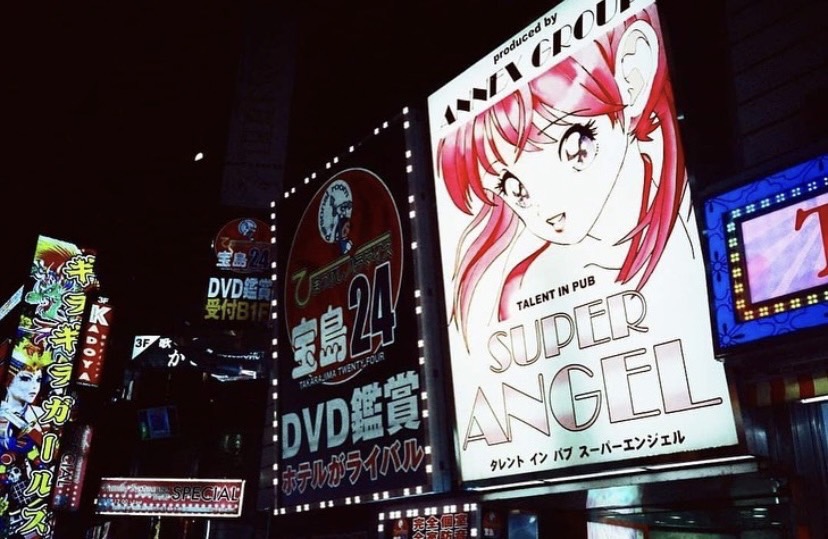
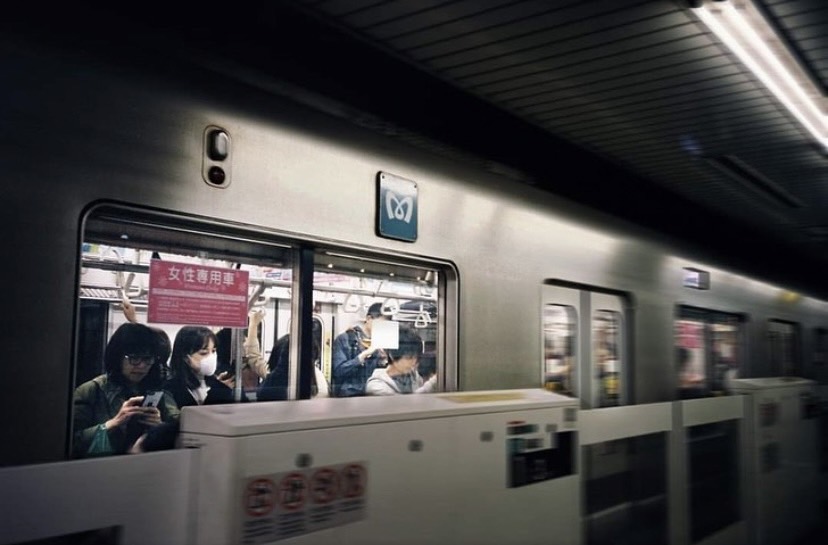
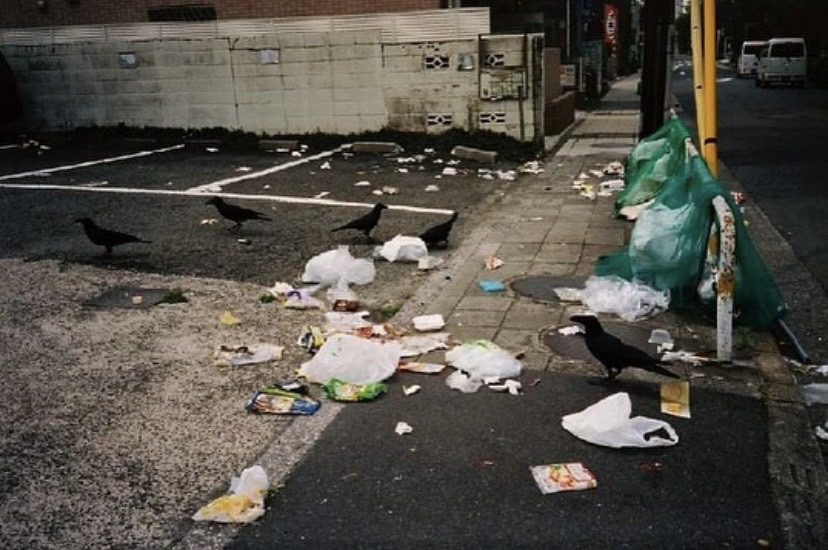
(Photos taken in Tokyo by Katla Solnes)
text: Madeleine Ray
 BURNING MAGAZINE