
「演出の幅を広げたい」。そう語るのは、日本初の認定インティマシー・ディレクターである伊藤樹里だ。インティマシー・コーディネーターは、2022年には流行語大賞の候補にもなり、知っている人もいるかもしれない。樹里さんは、舞台で活躍するインティマシー・ディレクターの資格を持っている。今回は、インティマシー・ディレクターとインティマシー・コーディネーターを総称したインティマシー・プロフェッショナルについて、その挑戦や日本の現場での状況について彼女に話をうかがった。
“I want to expand the boundaries of creative expression,” says Juri Ito, Japan’s first certified intimacy director. The word ‘intimacy coordinators’ has been gaining recognition in Japan, even making the shortlist for Buzzword of the Year in 2022. Drawing on her theater expertise, Juri pioneers new approaches to intimacy work in the country. In this interview, we spoke with her about the challenges she faces as an ‘intimacy professional’—a term that encompasses both intimacy directors and intimacy coordinators—and the current landscape of the Japanese entertainment industry.
❤ インティマシー・プロフェッショナルとは何か、教えてください。
Juri インティマシー・プロフェッショナルとは、舞台・映画・テレビなどの制作で「インティマシー(親密な)」シーンを専門に振り付けや調整を行う役職です。「親密な」シーンとは、演者がヌードになるシーンやキスシーン、また「ラブシーン」や「ベッドシーン」と呼ばれる性的なシーンが含まれます。
インティマシー・プロフェッショナルは、これらのシーンを対象に、演出家や監督と共に表現したい内容を明確にし、演者と制作側の間に立ち、振り付けに携わります。舞台ではインティマシー・ディレクター(Intimacy Director、略称ID)、映画やテレビではインティマシー・コーディネーター(Intimacy Coordinator、略称IC)と呼ばれます。インティマシー・プロフェッショナルはその総称です。
❤ What is an intimacy professional and what do they do?
Juri An intimacy professional is a choreographer, an advocate for actors, and a liaison between actors and production for scenes involving nudity, simulated sex acts, or intimate physical contact. In Japan, some of these scenes might be called ‘love scenes’ or ‘bed scenes’.
On stage, this role is known as an ‘intimacy director,’ while in television and film, it is referred to as an ‘intimacy coordinator.’ The term ‘intimacy professional’ serves as a general term for both.
❤ 樹里さんがこの仕事に興味を持ったきっかけと、資格を取得するまでの道のりについて教えてください。
Juri 私は大学で演劇に出会い、試行錯誤しながら作品を形にしていく稽古の現場が好きになり、演出家として日本で活動していました。ギリシャ神話をもとに現代日本に通じる作品など、集団創造の演劇制作に携わりました。そんな中、ある作品でキスシーンを演出することになり、稽古現場に気まずい雰囲気が漂ったことがありました。演出家として当時の私は、何を言っていいのか、キスを練習するのは何回なのか、実現したい演出をどうわかりやすく表現するべきかといった疑問がたくさん浮かびました。
その後、#MeToo運動を通じてIDやICの存在を知り、私が制作時にあった疑問が重要であったことを再認識しました。制作過程においてIDやICが関わることで誤解を避け、演出に貢献できると実感したのです。親密なシーンは、感情が多く込められていて、物語において重要な部分です。だからこそ、自信を持って表現できるように、2019年からオンライン講義を受け始めました。
その後4年間勉強を続け、世界最大インティマシー研修組織のIntimacy Directors & Coordinators(通称IDC)の2期生として研修に参加、2023年8月にニューヨークにて3か月間の資格研修を修了しました。
❤ What sparked your interest in this field, and how was your journey to certification?
Juri I first fell in love with theater during a university direction class, captivated by the art of bringing stories to life. This passion led me to a career as a devised theater director in Japan, where I worked on collaborative theater projects.
Then there was one time where I had to direct a kissing scene. I found myself unsure of how to navigate it— how do I guide the actors? How many times should the kiss be rehearsed? What words can I use to clearly convey my vision? I remember the rehearsal room becoming awkwardly tense.
After that experience, I came across the roles of intimacy director and intimacy coordinator through the #MeToo movement. It instantly clicked for me just how vital these roles are. Scenes involving intimacy are often some of the most emotionally charged, vulnerable, and beautiful moments in a story. Starting in 2019, I began taking online courses. I loved the journey of learning (and unlearning!) how to facilitate healthy collaborative spaces.
I pursued my studies for four years and joined the certification training cohort of Intimacy Directors & Coordinators (IDC), the world’s largest intimacy training organization, in August 2023, becoming Japan’s first certified intimacy director.
❤ 研修ではどんな人が参加し、どのようなことを学びましたか?
Juri 研修には、世界各国から選ばれた18人が参加しました。殺陣師、振付師、ライター、演技の先生など、多様なバックグラウンドを持つメンバーで構成されていました。アジアからは私とフィリピンの2名で、インティマシーにおける文化の違いについても話し合ったのを覚えています。
内容としては、グループを変えながらシーンの振り付けに取り組みました。ID役だけではなく、演者としての立場も経験することで、演者がどのタイミングでどのような情報を必要としているかを実感しました。他のメンバーと十分に話し合える時間があったおかげで、実際の現場で演者や作品に対する責任を持って取り組む自信が得られました。
❤ What did you learn during your training?
Juri 18 of us were selected from around the world—fight directors, choreographers, writers, and teachers—each bringing unique perspectives. We rotated through groups, practicing scene choreography and communication in various roles, including intimacy directors, actors, and directors. Stepping into the performer’s role, in particular, gave me invaluable insight into what actors truly need and when they need it during rehearsals.
This hands-on training reinforced my formal education and prepared me to responsibly guide actors in real productions.

❤ 日本での活動について教えてください。
Juri アメリカと日本で育った経験を活かして、言語に関係なく作品に携わっています。たとえば、英語を使う演出家と日本語を話す演者がいる場合でも、文脈を的確に伝えるコミュニケーション方法を工夫しています。多文化が交わる現場が好きなので、そういうプロジェクトに携わることにとてもやりがいを感じています。
また、最近までインティマシーに関する専門用語や概念は主に英語で培われてきたため、各国が自国の文化に合った翻訳に取り組んでいます。私も、日本語での表現やローカライズに関わっています。
このローカライゼーションの作業は、言語学やクィア言語学、心理学などさまざまな視点が交わって、おもしろいです。簡単ではありませんが、さまざまな人と話し合いながら、より良い表現を模索しています。
❤ Tell us about your work in Japan.
Juri Growing up in both New York and Tokyo has given me a strong bilingual and bicultural background, so I work in both English and Japanese. I’ve developed a way to bridge language gaps, especially in multicultural settings where, for example, a director might speak English while actors prefer Japanese. I enjoy working in these diverse environments the most.
Also, as one of Japan’s first intimacy professionals, I am working on adapting new intimacy terms and concepts into Japanese. Earlier this year, I joined a residency with Art Translators Collective (ATC) to tackle some of these translation challenges. One of the most engaging discussions was about conveying ‘boundaries’ in Japanese. Because we do not have a direct translation for the term, we explored concepts like lines, containers, and sliding doors to express these nuances, aiming to find terms that resonate in a theatrical context.
This work, where language, culture, queer studies, and psychology come together, is both challenging and rewarding. I find it fascinating to explore words and create new terms.
❤ IDやICは、現場にどんな価値をもたらしていると思いますか?
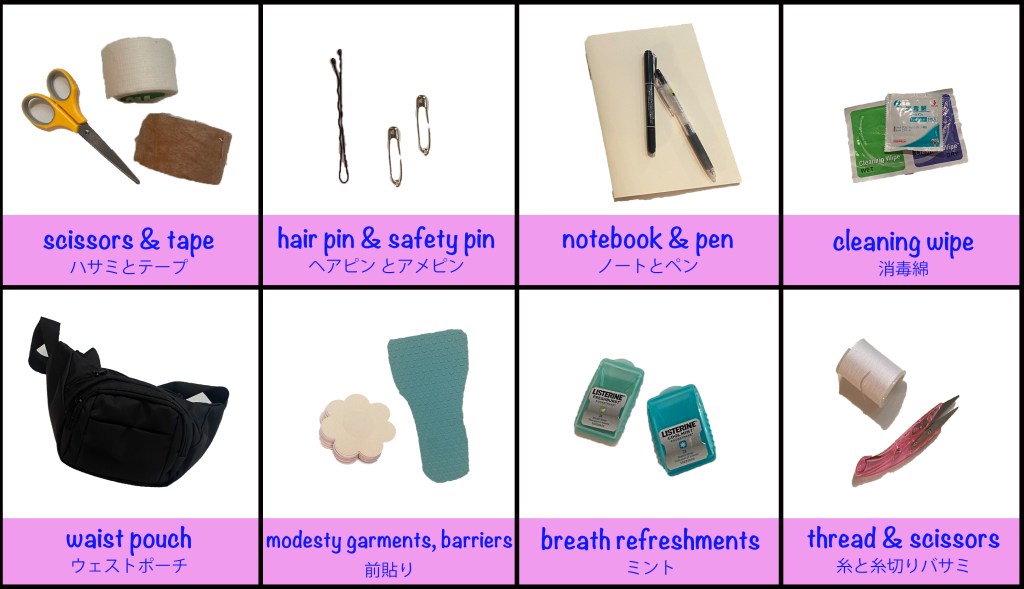
Juri 最近、短編映画で婦人科の検診台に座るシーンの撮影にICとして参加しました。検診台で足を上げた状態でカメラを向けられるのは、役者もナーバスになりがちですし、制作側もどのような配慮が必要か迷っていました。そこで私は事前に役者に太ももの露出の範囲やインナーの種類などを確認し、現場がスムーズに進むように準備を整えました。監督からは、ICがいることで安心して演出を考えられたと言われ、撮影チームからも、役者の露出のバウンダリー(許容範囲)が明確になったことで撮影に集中できたとのコメントをいただきました。
このように、演者だけでなく、作品制作の現場に関わる全員が気持ちよく、自信を持って自分の仕事に集中できる環境を作れることが、IDやICを導入する最大のメリットだと思います。
❤ How do you think intimacy directors and coordinators add value to productions?
Juri Recently, I worked as an intimacy coordinator for a short film that featured a gynecological examination scene, where an actor needed to sit in stirrups. With the actor having to be positioned with her legs elevated, it was important to address both her nervousness and the production team’s concerns. I checked in about boundaries and comfort levels with the actor beforehand, which helped prepare for a smooth shoot.
The director later shared how she thought my involvement streamlined the production, and the production team also mentioned that clear boundaries allowed everyone to focus better on their work. For me, the greatest benefit of having an intimacy professional is creating a comfortable environment where everyone can feel confident in their roles and unleash their creativity.
❤ 日本でIDやICが勘違いされていると感じる点はありますか?
Juri 活動を通じて、メディアや業界内で「口出しする」「演者を守る存在」と勘違いされることが多いと感じています。でも、私は「守る」よりも「サポートする」という言葉がより適切だと思っています。
確かに、IDやICが関わることでコミュニケーションが丁寧になり、ハラスメントの防止や不快感の軽減に寄与することはあります。でも、心や身体に傷を負う役者やスタッフを防ぐためには、関係者全員の意識改革や制作過程の見直しが必要です。たとえば、性的なシーンで演出家が演者に不適切な圧力をかける場合、演者が不安や不快感を抱くことがあります。これを防ぐためには、IDやICを雇うだけでなく、劇団や制作会社が報告や解決のルートを明確にし、前ばり(性器を覆い隠すためのアイテム)などのサポート用品を用意する予算を確保し、制作過程で十分なコミュニケーション時間を設けることも大事です。
私は、誰もが自分の自主性を認識し、自信を持って表現に集中できる現場をつくりたいと思っています。そして、IDやICの「演出の幅を広げる」役割をよりもっと多くの人に知ってもらいたいです。最終的には、私も制作に関わる他の皆さんと同様に、表現の質を高めることが目標です。私たちIDやICの専門性を活かし、インティマシーの表現の質を向上させて、ストーリーテリングの可能性を広げていきたいと思います。
❤ Do you feel that there are any misconceptions in Japan about the roles of intimacy directors and intimacy coordinators?
Juri I’ve noticed that intimacy directors and intimacy coordinators are sometimes misunderstood in Japanese media and industry as being overly controlling or protective. I prefer to think of our role as being more about ‘supporting’ rather than ‘protecting.’
It’s true that having an ID or IC can improve communication, even help prevent harassment, and ease discomfort. But to really protect actors and staff, we need everyone to be consent-forward. For example, if a director puts undue pressure on an actor during intimate scenes, it can cause anxiety. To prevent this, it’s important not only to hire an ID/IC, but also for the production to establish clear procedures for reporting and resolving issues, secure a proper budget for support items like modesty garments, and ensure there’s enough time for open communication throughout the production.
Through my work, I hope everyone can recognize their autonomy and creative agency. We need to shift from the idea of merely protecting. At the end of the day, like every member of the production team, my goal is to create and tell powerful stories. I want to highlight more on how IDs and ICs can elevate the overall artistic quality of a production. With the tools we have, we can expand the boundaries of creative expression and transform the possibilities of storytelling in Japan.
Instagram @intimacydirectorjuri
website juriito.com
text Lina Nakayama
photo Wang Jiawei
 BURNING MAGAZINE