
『少女の友』が育んだ少女文化
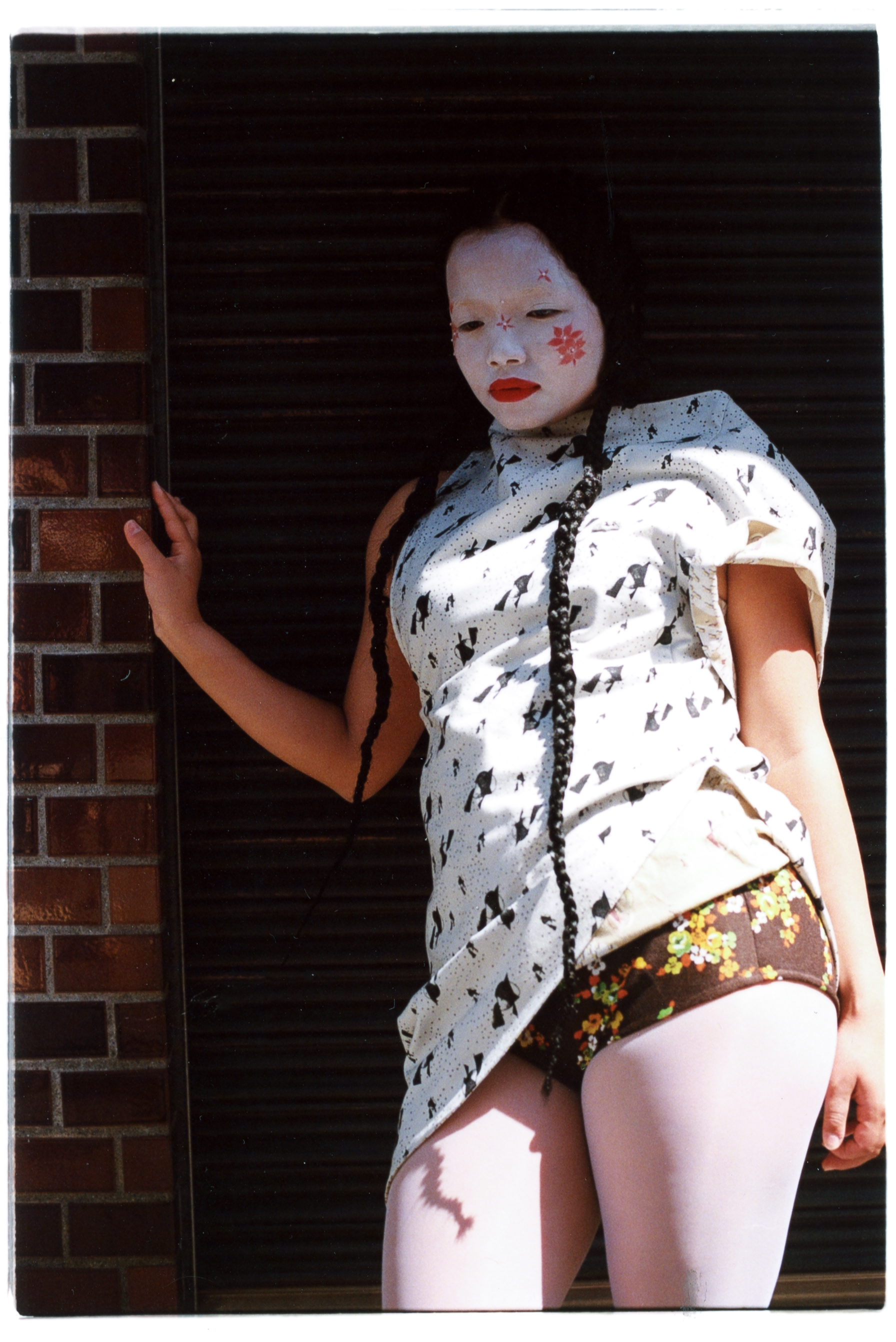
『少女の友』は、1908年(明治41年)に実業之日本社から創刊され、1955年(昭和30年)まで約48年間にわたり発行された日本を代表する少女雑誌である。当時の日本社会では、女性に「良妻賢母」としての生き方が求められ、男尊女卑の価値観も根強く残っていた。しかし『少女の友』は、そのような時代背景の中で、少女たちの感性や想像力、自主性を育むことを重視した稀な存在だった。
誌面には小説や詩、読者投稿、挿絵などが掲載され、少女たちに新しい価値観や夢を見るための場所を提供した。後の少女漫画文化につながる表現も数多く見られ、日本独自の「かわいい」文化や少女文化の形成に大きな役割を果たしたといわれている。
その『少女の友』を語るうえで欠かせない存在が、中原淳一である。竹久夢二の流れを受け継ぎながらも、独自の美意識によって少女像を描き出した中原は、戦前・戦後を通して多くの少女たちの憧れとなった。彼が描く女性たちは、単なる理想化された存在ではなく、知性や自立心、品格を備えた人物として表現されていた。
また、中原はフランス人形への深い造詣でも知られ、その洗練された造形感覚は挿絵やファッション提案にも反映されている。服装や髪型、暮らし方に至るまで、美しく生きることへの提案は多くの読者に影響を与えた。彼の仕事は単なるイラストレーションの枠を超え、日本におけるライフスタイルやファッション文化の発展にも大きく寄与したと評価されている。
少女たちが自由に夢を描くことが容易ではなかった時代に、『少女の友』と中原淳一は新たな価値観と美意識を提示した。その影響は雑誌が休刊した後も受け継がれ、現在の少女文化や「かわいい」文化の源流の一つとして、今な多くの人々を魅了し続けている。
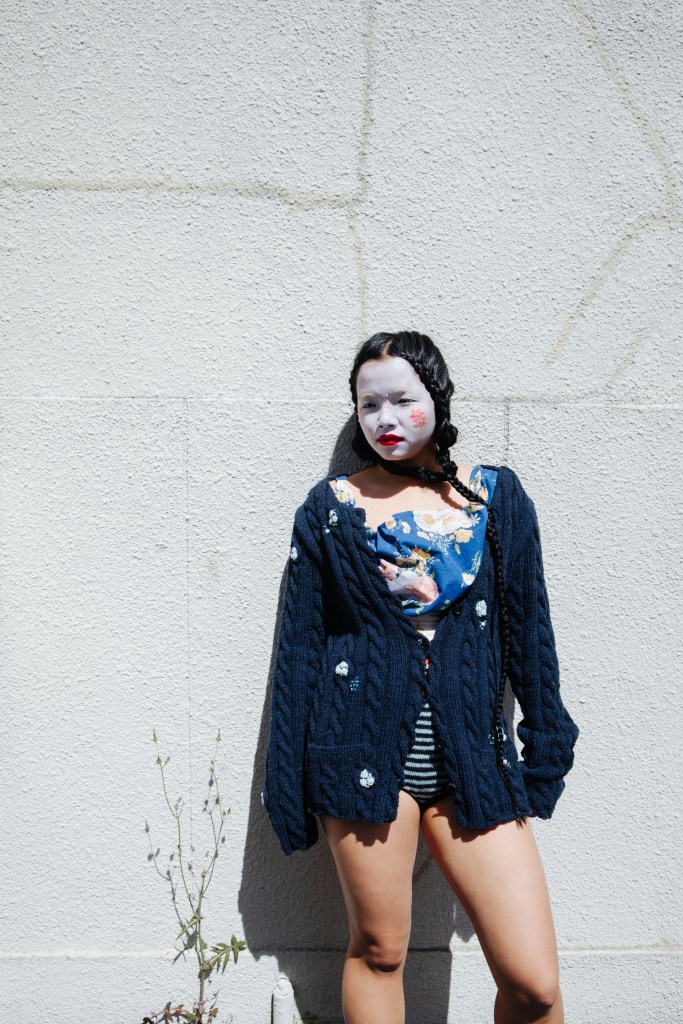
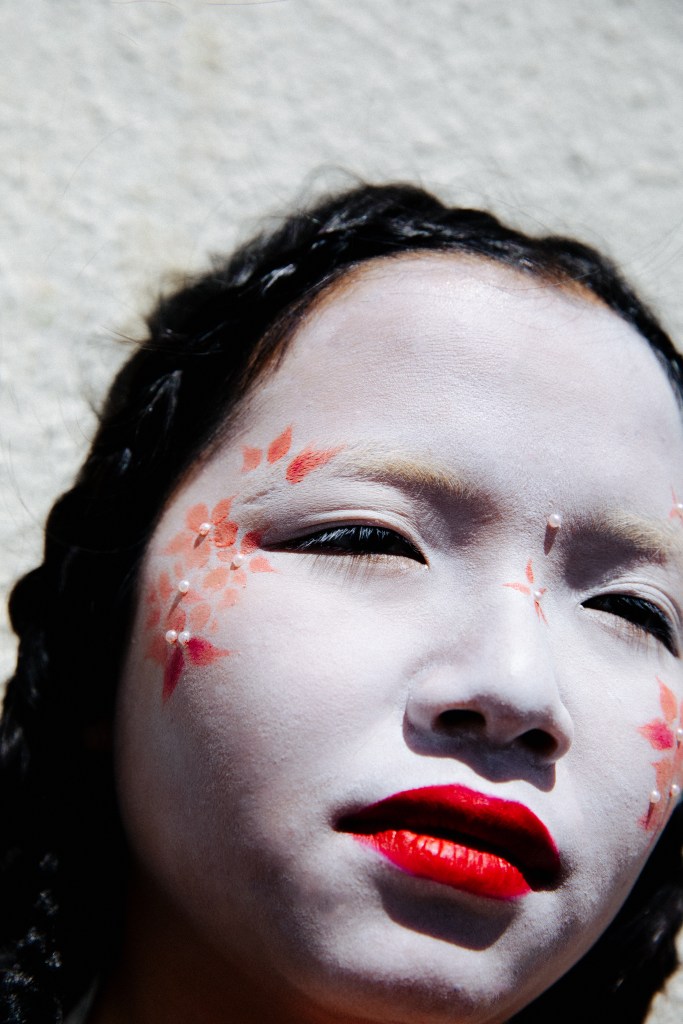
Shōjo no Tomo and Junichi Nakahara: The Origins of Modern Japanese Girlhood Culture
Shōjo no Tomo (Girls’ Friend) was one of Japan’s most influential girls’ magazines, published by Jitsugyo no Nihon Sha from 1908 to 1955. At a time when Japanese society was strongly shaped by patriarchal values and women were expected to follow the ideal of the “good wife, wise mother,” the magazine offered an alternative vision of girlhood, one that encouraged imagination, creativity, and personal growth.
Through its pages, readers encountered novels, poetry, illustrations, and reader contributions that expanded their understanding of the world beyond traditional expectations. The magazine became a space where young women could dream, reflect, and develop their own sense of identity. Its influence would extend far beyond publishing, laying important foundations for the development of shōjo manga and contributing to the visual language that would later become associated with Japan’s distinctive culture of kawaii (cuteness).
Among the artists most closely associated with Shōjo no Tomo was illustrator Junichi Nakahara. Often regarded as a successor to the aesthetic tradition established by Yumeji Takehisa, Nakahara developed a highly distinctive vision of femininity that resonated deeply with generations of readers. The girls and women depicted in his illustrations embodied not only beauty and elegance but also intelligence, independence, and dignity.
Nakahara was also known for his fascination with French dolls, whose refined craftsmanship and delicate features informed much of his artistic practice. This influence can be seen throughout his illustrations, fashion proposals, and editorial work. His attention to clothing, hairstyles, and everyday aesthetics helped shape new ideas about style and self-expression for young women in Japan. In this way, his work extended beyond illustration, contributing significantly to the evolution of Japanese fashion, lifestyle, and visual culture.
At a time when opportunities for young women to imagine different futures were limited, Shōjo no Tomo and Junichi Nakahara offered an alternative cultural space, one built on beauty, creativity, and aspiration. Their legacy continues to be felt today, not only in Japanese fashion and illustration but also in the enduring ideals of girlhood and imagination that remain central to contemporary Japanese culture.
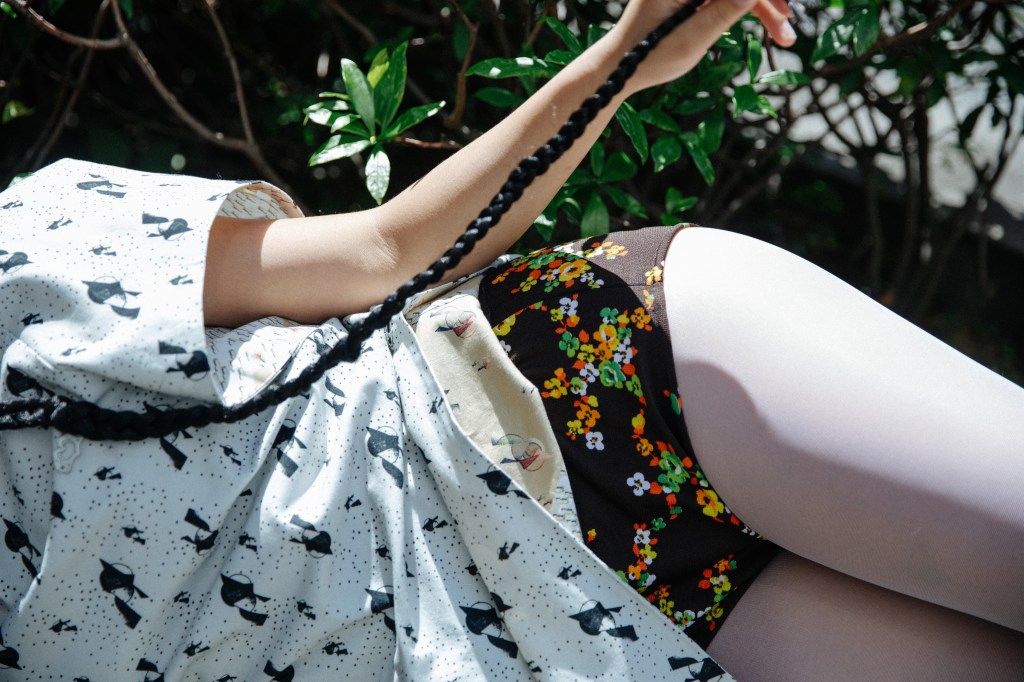
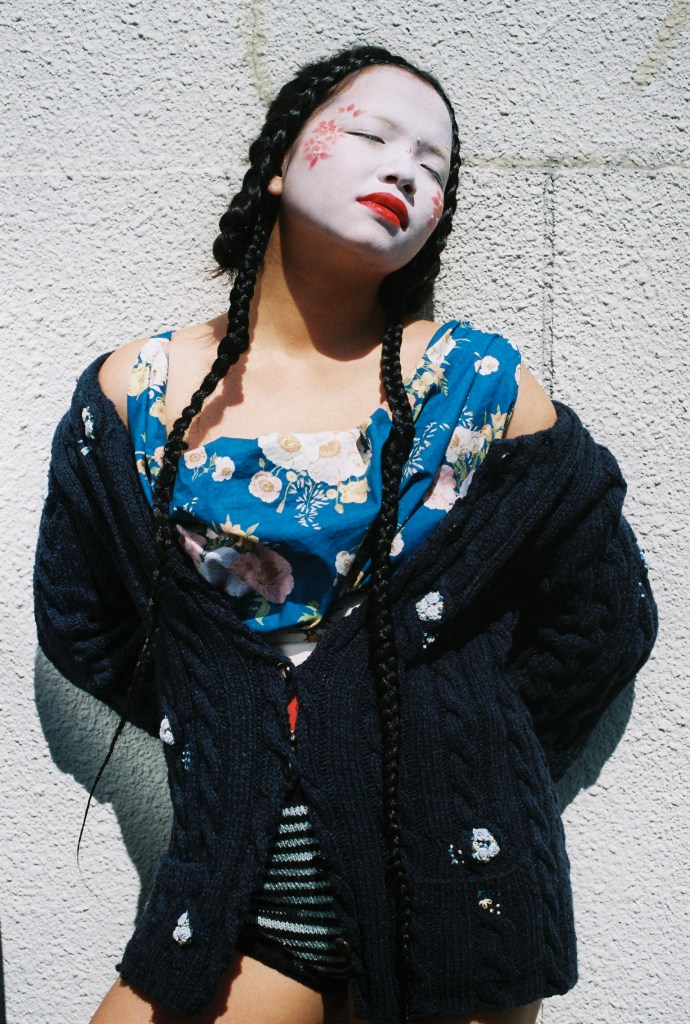
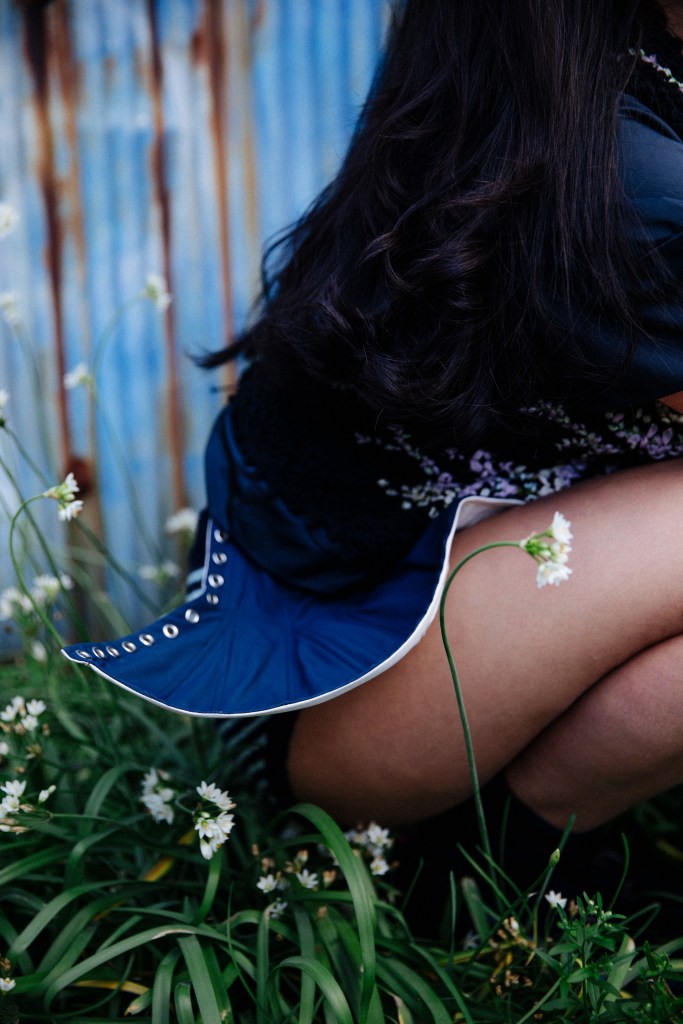
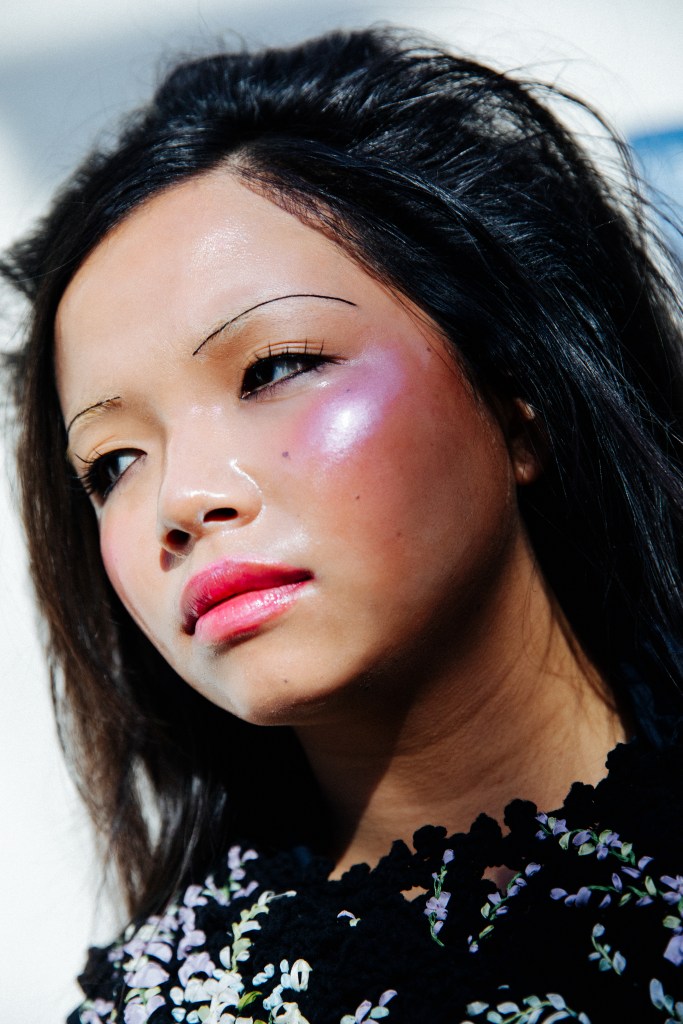
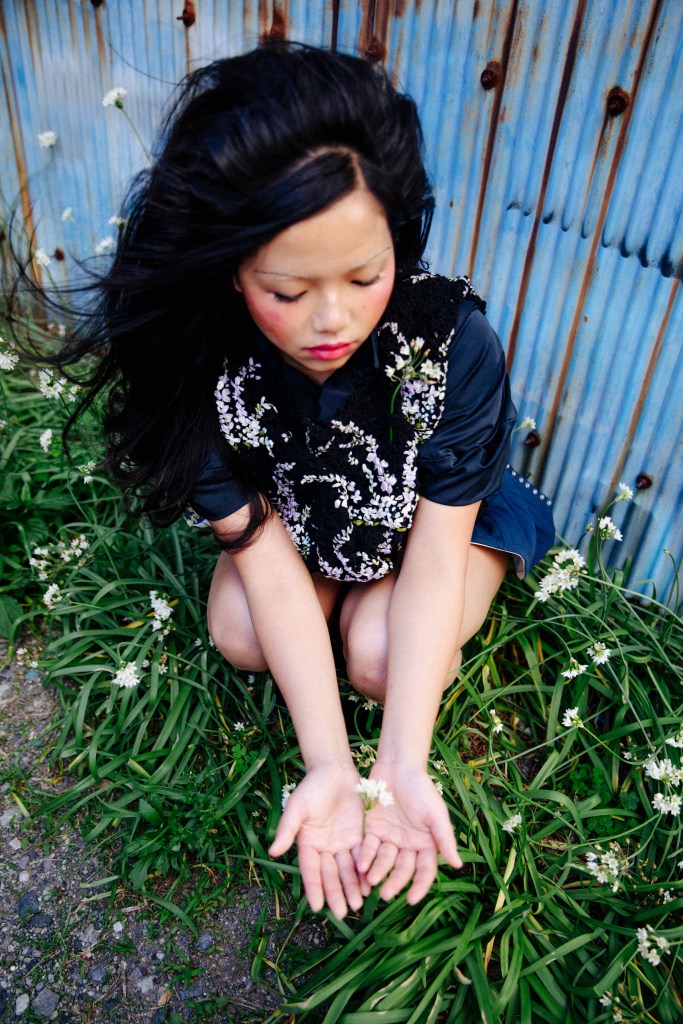
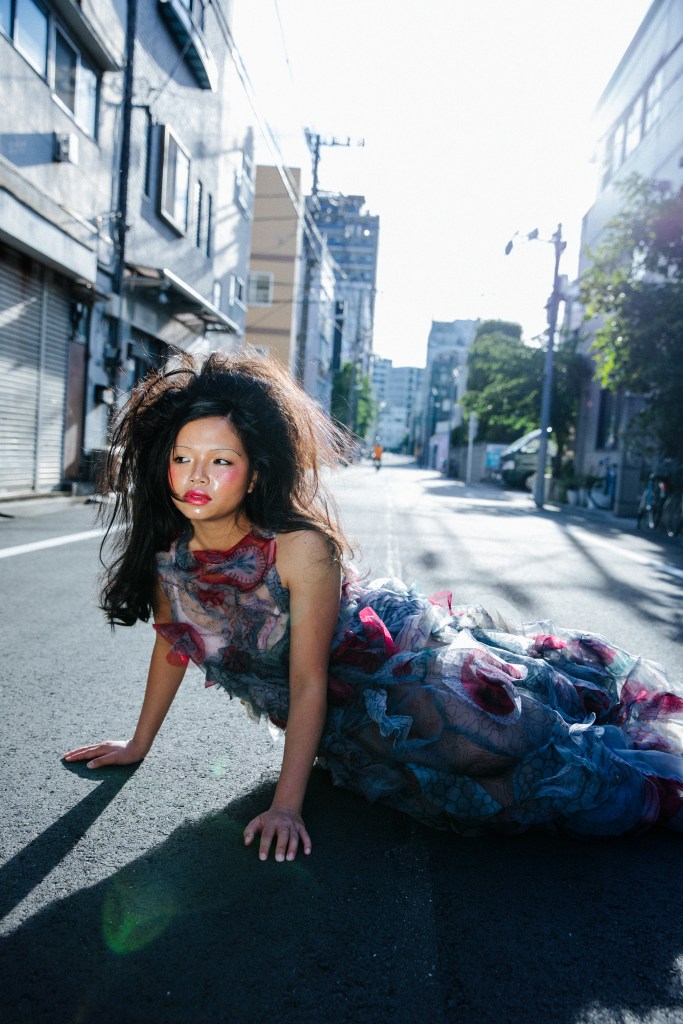
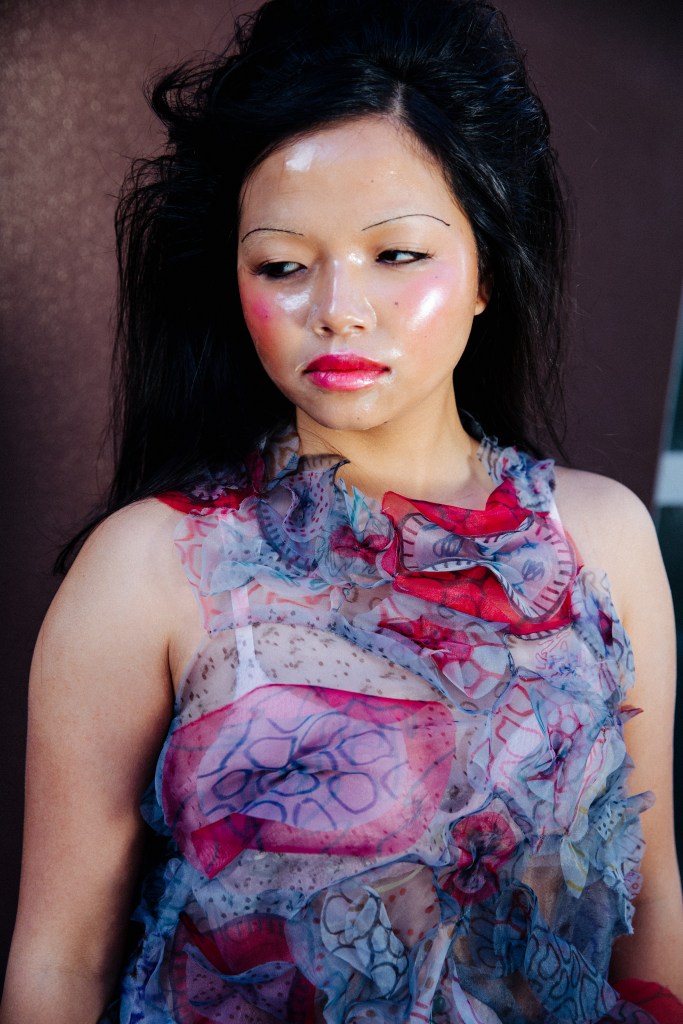
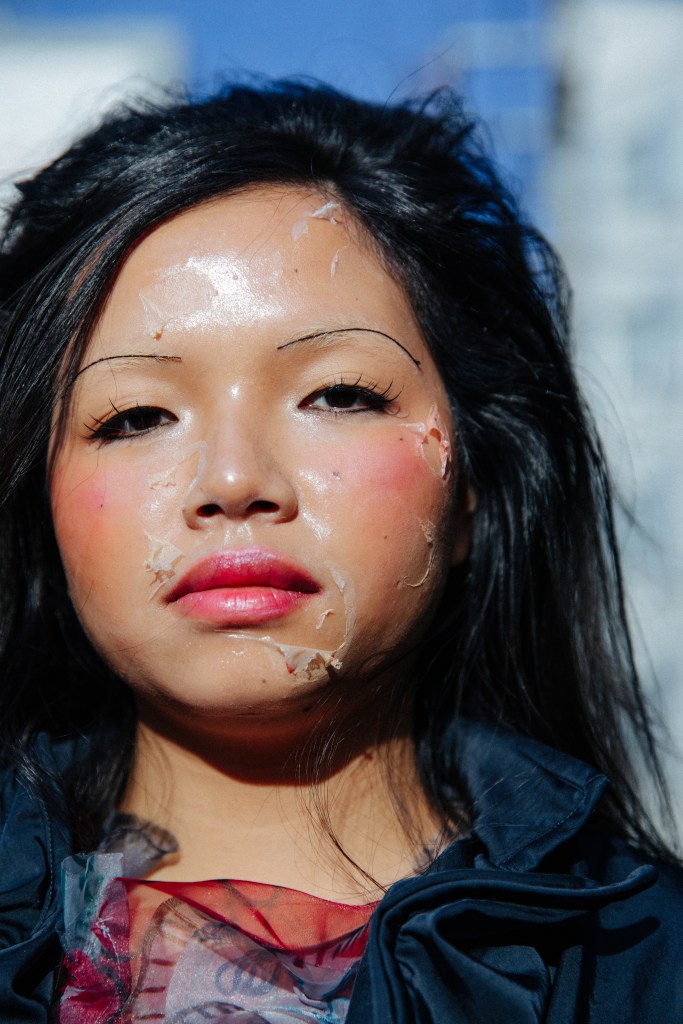
credit
model Komomo
photographer Shiori Ota
stylist Mizuki Hirano
makeup artist KANAKO
hair stylist Haruka Miyashita
videographer Wang Jiawei
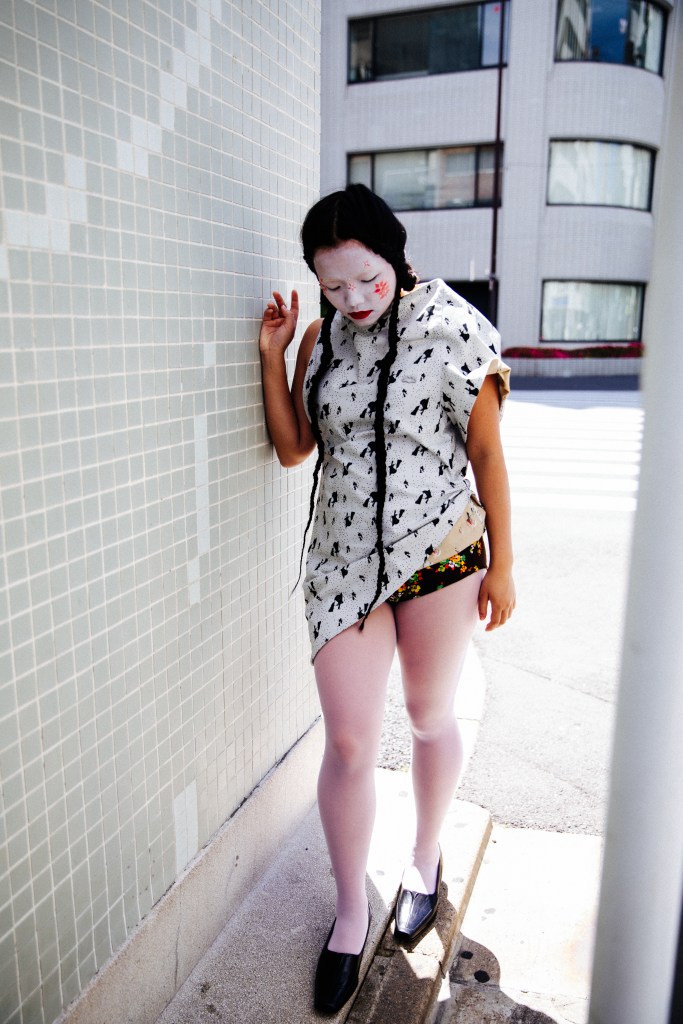
ASU KYOKO
JANTIQUES
natsuhohama
KANAKO YAGI
pillings
TWEO

